Категории
Новый блог
Объяснение класса защиты IP для промышленных вентиляторов охлаждения
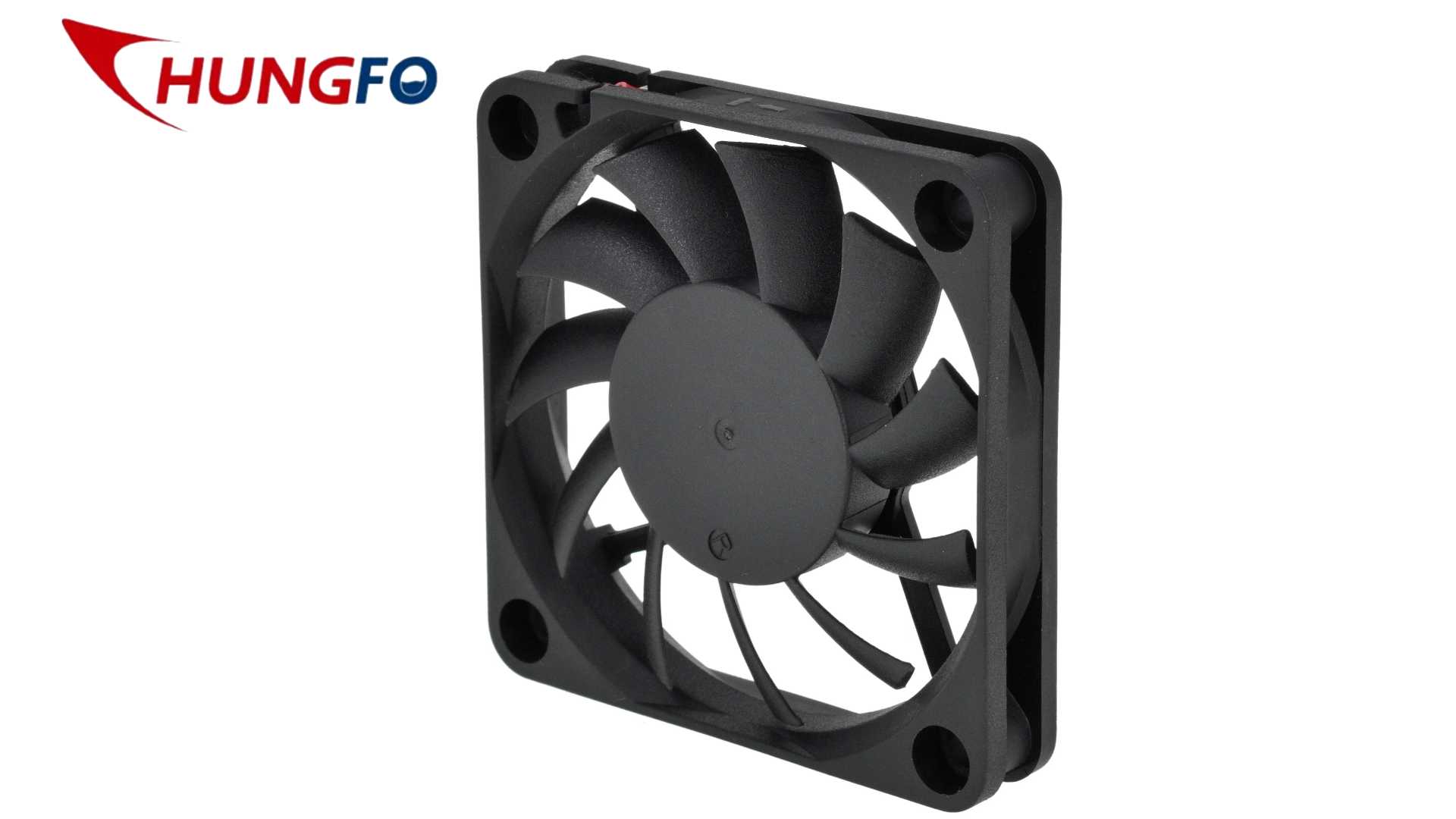
March 02 , 2026Промышленные вентиляторы охлаждения Оборудование работает в разнообразных и зачастую суровых условиях, включая производственные цеха, открытые электростанции, морские сооружения и пыльные шкафы автоматизации. В таких условиях воздействие окружающей среды может напрямую влиять на электробезопасность, производительность воздушного потока и срок службы оборудования. Поэтому важно понимать степень защиты IP для промышленного оборудования. вентиляторы охлаждения Это крайне важно при выборе надежных решений для управления тепловым режимом.
Степень защиты IP (Ingress Protection Rating) — это международно признанный стандарт, определяющий уровень защиты электрических корпусов от твердых предметов и жидкостей. Для промышленных систем охлаждения уровень защиты, адаптивность к условиям окружающей среды и долговременная надежность являются тремя важнейшими факторами, определяющими общую производительность.
Структура IP-рейтинга и его значение
Рейтинг IP обычно включает в себя Двухзначное обозначение. Первая цифра указывает на защиту от твердых частиц, таких как пыль, инструменты или случайный контакт. Вторая цифра обозначает защиту от жидкостей, таких как капли воды, брызги или струи.
Например, IP54 означает ограниченную защиту от проникновения пыли и защиту от брызг воды с любого направления. IP55 улучшает защиту от струй воды низкого давления. IP65 указывает на полную пыленепроницаемость и защиту от струй воды, а IP67 обеспечивает временную защиту от погружения в воду.
В промышленных вентиляторах эти показатели отражают эффективность корпуса двигателя, конструкции уплотнения и конструкции кабельного ввода. Более высокие степени защиты IP, как правило, требуют использования улучшенных уплотнительных материалов, точной сборки и более строгого контроля качества.
Важность защиты от пыли в системах промышленного охлаждения
Пыль — одна из наиболее распространенных экологических опасностей на заводах и промышленных предприятиях. Мелкие частицы могут накапливаться внутри обмоток двигателей, мешать работе подшипников и снижать эффективность воздушного потока. Со временем накопление пыли увеличивает теплоотдачу, что приводит к повышению рабочих температур и возможному выходу двигателя из строя.
Выбор соответствующего класса защиты IP обеспечивает достаточную защиту от твердых загрязнений. В таких условиях, как цементные заводы, деревообрабатывающие мастерские или металлообрабатывающие предприятия, часто необходимы пыленепроницаемые конструкции, например, класса защиты IP65.
Однако важно найти баланс между уровнем защиты и эффективностью вентиляции. Чрезмерная герметизация без надлежащей конструкции системы вентиляции может ограничивать рассеивание тепла. Поэтому производители должны тщательно проектировать каналы для циркуляции воздуха и корпуса двигателей, чтобы обеспечить как защиту, так и эффективность охлаждения.
В своих решениях для промышленных вентиляторов компания China Chungfo использует оптимизированную технологию герметизации, сохраняя при этом эффективность воздушного потока. Для подтверждения эффективности защиты в реальных условиях эксплуатации применяются строгие процедуры тестирования.
Водостойкость и применение на открытом воздухе
Воздействие воды представляет собой еще одну серьезную проблему. Промышленные вентиляторы, устанавливаемые на открытом воздухе или во влажных условиях, должны выдерживать дождь, брызги или промывку. Недостаточная защита от воды может привести к коротким замыканиям, коррозии и деградации изоляции.
Вентиляторы с классом защиты IP55 или IP65 обычно используются в наружных системах отопления, вентиляции и кондиционирования воздуха, оборудовании для возобновляемой энергетики и сельскохозяйственной технике. В некоторых морских или влажных районах может потребоваться более высокий уровень защиты для предотвращения проникновения влаги.
Надлежащая герметизация кабельных вводов, валов двигателей и соединений корпусов имеет важное значение. Помимо степени защиты IP, выбор материалов, таких как коррозионностойкие покрытия и крепежные элементы из нержавеющей стали, дополнительно повышает долговечность.
Взаимосвязь между IP-рейтингом и надежностью системы.
Надежность системы тесно связана с возможностями защиты от воздействия окружающей среды. Вентилятор с недостаточной защитой может изначально работать хорошо, но быстро выйти из строя в суровых условиях. Частое техническое обслуживание или неожиданные отказы увеличивают эксплуатационные расходы и риски простоя.
Выбор соответствующего класса защиты IP продлевает срок службы и снижает частоту технического обслуживания. Однако более высокие уровни защиты могут также увеличить производственные затраты. Инженеры OEM-производителей должны оценить фактический экологический риск и выбрать класс защиты, соответствующий требованиям проекта.
Для шкафов автоматизации внутри помещений с контролируемой средой может быть достаточно степени защиты IP54. Для тяжелых промышленных или наружных установок может быть оправдана степень защиты IP65 или выше. Надлежащая оценка рисков обеспечивает экономическую эффективность без ущерба для безопасности.
Стандарты тестирования и сертификации
Степень защиты IP определяется с помощью стандартизированных лабораторных испытаний. Испытания на воздействие твердых частиц включают воздействие пылевых камер, а испытания на водонепроницаемость включают использование распылительных форсунок или погружение в воду в зависимости от уровня защиты.
Надежные производители проводят многократные испытания для подтверждения стабильности качества. Процессы контроля качества включают проверку герметичности, испытания на устойчивость к давлению и длительные эксплуатационные испытания.
Китай Чунфо Фанатка DC Особое внимание уделяется строгому соблюдению международных стандартов защиты для обеспечения долговечности продукции. Компания оказывает поддержку OEM-клиентам, предоставляя индивидуальные решения на уровне IP, адаптированные к конкретным промышленным условиям.
Баланс между защитой, теплоотводом и стоимостью
При выборе промышленных вентиляторов для охлаждения крайне важно сбалансировать уровень защиты, тепловые характеристики и общую стоимость. Более высокий класс защиты IP не означает автоматически лучшего охлаждения. Правильное проектирование вентиляционного тракта и эффективная работа двигателя остаются одинаково важными.
Перед окончательным утверждением технических характеристик инженерам следует оценить плотность пыли, частоту воздействия влаги, доступность для технического обслуживания и ожидаемый срок службы. Сотрудничество между конструкторами оборудования и производителями вентиляторов обеспечивает оптимальную интеграцию.
Заключение
Понимание класса защиты IP для промышленных вентиляторов охлаждения имеет важное значение для обеспечения уровня защиты, адаптации к условиям окружающей среды и долгосрочной надежности. Выбирая соответствующий класс защиты IP в зависимости от фактических условий эксплуатации, промышленные предприятия могут снизить риски технического обслуживания, продлить срок службы оборудования и повысить общую производительность системы.
По мере дальнейшего развития промышленных условий тщательное соблюдение стандартов защиты останется краеугольным камнем эффективной стратегии управления тепловым режимом.